Fire alarm installer training Ontario programs prepare electricians and technicians to install, test, verify and maintain the systems that warn people when a fire starts. It is a specialized skill with real responsibility, because a poorly installed system can fail when it matters most. This guide explains how fire alarm installer training Ontario candidates usually proceed, which programs the Fire Marshal accepts, which standards you must know and how a 309A electrician licence fits into the picture.
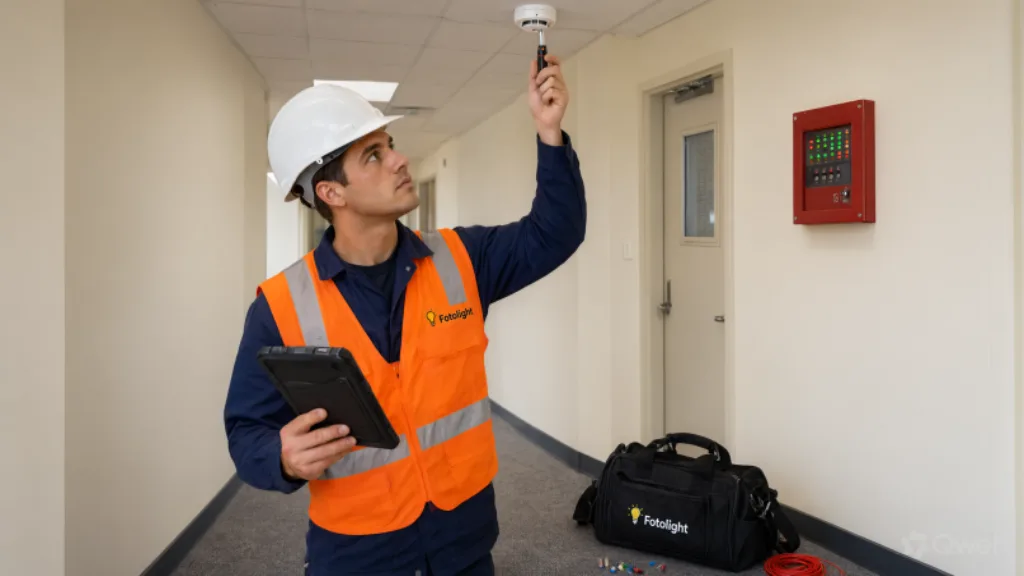
Why Fire Alarm Installer Training Ontario Matters
Fire alarm systems protect lives and property in apartment buildings, schools, hospitals, offices and factories. Because of that, Ontario regulates who may work on them. The Ontario Fire Code sets qualification requirements for certain fire alarm technicians, who must complete training through programs acceptable to the Fire Marshal.
For electricians, this specialty is also a practical career move. Job postings across the province regularly ask for a 309A licence together with fire alarm experience, and many contractors look for workers who can handle both general electrical work and life safety systems. Good fire alarm installer training Ontario employers recognize can set you apart in that market.
Start With a Strong Electrical Foundation
Fire alarm wiring is electrical work, so a solid grounding in the trade comes first. Many candidates are 309A Construction and Maintenance electricians or apprentices. The licence teaches you the Canadian Electrical Code, safe wiring practices and troubleshooting, all of which carry over directly into fire alarm work. If you are still working toward your licence, our guides on how to become an electrician in Ontario and the 309A electrician requirements explain the path.
Fotolight’s own training program focuses on the 309A licensing exam: Code instruction, safety, tools and practice exams. It is not a fire alarm certification program, but it helps build the electrical base that fire alarm programs assume you already have.
Who Is Qualified Under the Fire Code?
According to the Ontario government, certain fire alarm technicians must complete a program that the Fire Marshal accepts. Two programs are widely mentioned in the industry:
- Canadian Fire Alarm Association (CFAA): the Fire Alarm Technician Training Program, which is often described as having no prerequisite.
- Certi-Fire: the fire alarm and protection certification program created by the Electrical Contractors Association of Ontario and the IBEW Construction Council of Ontario, designed for 309A electricians and third-term apprentices who have completed intermediate trade school.
Certi-Fire is described as a four-level program with about 160 hours of academic and hands-on training that covers installation, testing, verification and maintenance of fire systems as well as Fire Code regulations. Certification must be renewed every five years. Details change over time, so always confirm current requirements and course availability with the program providers and the Office of the Fire Marshal.
Fire Alarm Installer Training Ontario: The Standards You Must Know
Three Canadian standards appear in almost every fire alarm course and job posting:
- CAN/ULC-S524: installation of fire alarm systems.
- CAN/ULC-S536: inspection and testing of fire alarm systems.
- CAN/ULC-S537: verification of fire alarm systems.
You also need the Canadian Electrical Code, which includes a Section dedicated to fire alarm systems, as well as the Ontario Building Code and Ontario Fire Code. Understanding how these documents relate to each other is a core part of fire alarm installer training Ontario programs. The installation standard tells you how to put a system in, the inspection standard tells you how to test it over time and the verification standard tells you how to confirm a new or modified system works as designed.
Installers and Verifiers Are Different Roles
Under the verification standard, an installer is not permitted to verify their own work. Verification must be done by an acceptable person who did not install the system. That separation protects building owners by adding independent confirmation. When you plan your career, consider whether you want to specialize in installation, testing and verification, or maintenance.
7 Best Steps to Complete Fire Alarm Installer Training Ontario Style
- Build your electrical base. Complete your apprenticeship or hold a 309A licence.
- Learn the Canadian Electrical Code. Our Canadian Electrical Code study guide helps you build lookup speed.
- Choose an accepted program. Compare CFAA, Certi-Fire and other programs recognized by the Fire Marshal.
- Check prerequisites and dates. Some programs require a licence or specific apprenticeship level.
- Study the ULC standards. Read S524, S536 and S537 alongside the Codes.
- Complete practical training. Hands-on work with panels, devices, circuits and test equipment is essential.
- Keep your credentials current. Renew on schedule and keep learning as standards change.
What Fire Alarm Installer Training Ontario Programs Usually Cover
- How fire alarm systems work, including initiating devices, notification devices and control panels
- Circuit types, isolators and wiring methods
- Device placement and spacing requirements
- Installation rules under the ULC standard and the Electrical Code
- Verification procedures and documentation
- Annual inspection and testing requirements
- Troubleshooting common faults
- Ontario Fire Code and Building Code requirements
Expect a mix of classroom study and hands-on practice. You will learn not only what to do but also how to document your work, because reports and records are a legal part of the job.
Career Paths After Fire Alarm Training
Qualified technicians can work for fire protection companies, electrical contractors, building service firms or institutions with their own maintenance teams. Typical roles include installer, service technician, verifier, project lead and eventually estimator or manager. Many job postings combine fire alarm duties with general electrical work, which is why a 309A licence remains such a valuable foundation.
Wages depend on experience, employer and region. The Government of Canada Job Bank reports an Ontario median of $34 per hour for construction and maintenance electricians, and specialized skills often help you move up within that range.
A Sample Timeline for Fire Alarm Installer Training Ontario Candidates
Every person’s path is different, but a typical timeline might look like this. In the first months, you confirm your eligibility and research accepted programs. Over the next few weeks you register, collect the required standards and begin reading. During the course itself you attend classroom sessions and practical labs, and you complete assignments and exams. Afterward you apply what you learned on real projects under supervision, then renew your certification on schedule.
Plan ahead for time and cost. Ask each provider about fees, the number of hours, scheduling and any required books or standards. Then discuss with your employer whether they will support your training, since many contractors want skilled fire alarm staff and are willing to invest in them.
A Typical Day for a Fire Alarm Technician
A fire alarm technician’s day varies with the job. On an installation project you might review drawings, run cable, mount devices and terminate wiring. On a service call you might trace a trouble signal, replace a failed detector or reprogram a device. During annual inspections you test every device in a building, record the results and report deficiencies. Throughout, you follow strict procedures, coordinate with building staff and document everything.
The work requires patience and accuracy. A missed device or a wrong label can cause failures in a later test. People who enjoy methodical problem solving and who like knowing their work protects others often thrive in this specialty, which is why many of them seek out fire alarm installer training Ontario providers early in their careers.
Questions to Ask a Fire Alarm Training Provider
- Is the program accepted by the Ontario Fire Marshal?
- What are the prerequisites, and do I qualify today?
- How many hours of classroom and hands-on training are included?
- Which editions of the standards and Codes do you teach?
- What is the renewal requirement and cost?
- Do you offer evening, weekend or online options?
Clear answers to these questions help you compare fire alarm installer training Ontario options fairly. A reputable provider will gladly explain their curriculum, instructor qualifications and certification process.
Building Your Experience After Training
Certification is only the beginning. After you complete your course, look for projects where you can practise under supervision. Volunteer for service calls, participate in verifications where permitted and ask senior technicians to review your documentation. Keep a record of the systems you have worked on, including panel brands and building types. This portfolio shows employers that your fire alarm installer training Ontario investment turned into real skill.
How to Prepare and Study Effectively
Treat the training like a second apprenticeship in one narrow field. Read the manuals before class, ask questions about real installations you have seen and practise reading drawings and riser diagrams. Use flash cards for definitions and device types, and take notes on every deficiency your instructors describe, because those examples show what inspectors look for.
Make time for hands-on practice. Familiarity with panels, programming and test equipment cannot come from reading alone. If you can, shadow an experienced technician on a verification or annual test to see how documentation is completed on site.
Common Mistakes in Fire Alarm Installer Training Ontario Planning
- Assuming any course qualifies you. Confirm that the program is acceptable to the Fire Marshal.
- Skipping the standards. Codes and ULC standards drive every decision.
- Neglecting documentation. Missing records can fail an inspection.
- Verifying your own installation. The standard does not allow it.
- Letting certification lapse. Renewals keep you legal and employable.
How Fotolight Fits Into Your Plan
Fotolight provides electrical training and services in Ontario. Our 309A program covers the Canadian Electrical Code, safety, hands-on tool use and practice exams, which supports your path toward fire alarm specialization. You can also learn about our fire alarm services and see how the work looks in practice. To ask about classes, visit the contact page or read about the 309A training program.
Frequently Asked Questions
Do I need a 309A licence for fire alarm installer training Ontario programs?
It depends on the program. Some programs accept candidates without an electrical licence, while others, such as Certi-Fire, are designed for 309A electricians and qualifying apprentices. Always confirm current prerequisites.
How long does the training take?
Programs vary. Certi-Fire is described as roughly 160 hours across four levels, while other programs have their own formats and durations.
Can I verify a system I installed?
No. The verification standard does not permit the installer to verify their own work.
Final Thoughts
Fire alarm installer training Ontario programs give you a valuable specialty that builds on your electrical licence and serves a real public safety need. Start with a solid foundation, choose a program accepted by the Fire Marshal, learn the standards thoroughly and keep your credentials current. The reward is a skilled, respected role with strong demand.