A low voltage wiring career offers a practical way into the electrical and technology world without starting at the highest-risk end of the trade. Low voltage systems power and connect the security cameras, alarm panels, network cabling, intercoms, thermostats, audio-video equipment and smart devices that modern buildings depend on. This guide explains what a low voltage wiring career involves in Ontario, what skills and training help, how licensing rules fit in and how to plan your next steps.
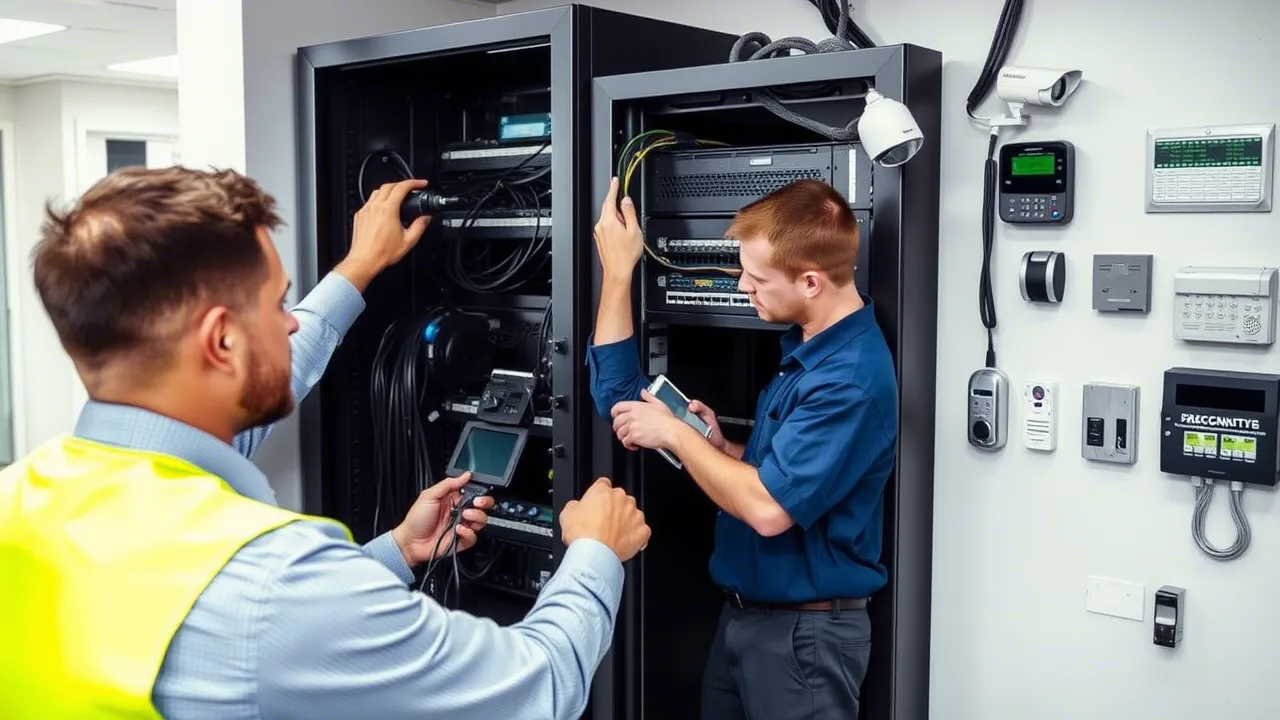
What Does a Low Voltage Wiring Career Involve?
Low voltage generally refers to systems that operate at much lower voltages than standard building power, typically under 50 volts. A low voltage wiring career focuses on installing, testing and maintaining the cabling and devices for systems such as:
- Network and data cabling, including patch panels and wall outlets
- Security systems, such as cameras, door contacts and access control
- Alarm and intercom systems
- Audio, video and conference room equipment
- Smart home controls, thermostats and lighting control
- Building automation and communication systems
Daily tasks include reading plans, pulling cable through walls and ceilings, terminating connectors, labelling and testing connections, mounting devices and configuring equipment. Good documentation and neat workmanship are just as important as technical skill.
Why Choose a Low Voltage Wiring Career?
Many people are attracted to this field because it combines hands-on work with technology. Buildings of every size need data and control systems, and those systems keep growing in complexity. Each new device, from a camera to a smart thermostat, needs reliable cabling and careful setup.
It can also be a stepping stone. Some people begin in low voltage and later pursue a full electrician licence. Others are already licensed electricians who add low voltage skills to broaden the work they can offer. In either case, a low voltage wiring career builds valuable knowledge about cables, standards and equipment.
How Low Voltage Differs From Line-Voltage Electrical Work
Line-voltage work involves standard building power, such as 120 and 240 volt circuits, panels, receptacles and lighting. That work carries serious shock and fire risks, and in Ontario it is tightly regulated. According to the Electrical Safety Authority (ESA), a licensed electrical contractor is the only business that can be hired to do electrical work in a home, and almost all electrical work requires a notification of work, also called a permit.
Low voltage circuits operate at lower power and are treated differently by the Electrical Code. In the Canadian Electrical Code, for example, rules for certain low-energy circuits appear in their own Sections. However, the dividing line between work that needs a licence or notification and work that does not can be subtle, especially when low voltage equipment connects to building power. Always confirm what applies to your situation with ESA or a qualified professional before you start, and never assume a task is exempt.
Licensing and Training: What Helps in a Low Voltage Wiring Career
There is more than one route into this field. Some technicians start with college programs in network cabling or security systems. Others join a company as a helper and learn on the job. Licensed electricians, who hold a 309A Certificate of Qualification, can also perform low voltage work as part of their trade.
If you are considering the electrician route, read our guides on how to become an electrician in Ontario and electrician apprenticeship Ontario. A licence broadens your options, because you can handle both line-voltage and low voltage tasks and move into specialties like fire alarm. Our article on fire alarm installer training Ontario shows one popular direction.
Core Skills for a Low Voltage Wiring Career
- Cable handling: pulling, routing, supporting and protecting cable properly.
- Termination and testing: making clean terminations and verifying them with test equipment.
- Reading drawings: understanding floor plans, riser diagrams and device schedules.
- Basic electronics and networking: knowing how signals, power and data travel.
- Tools and safety: working safely at heights, in ceilings and around building power.
- Documentation: labelling, mapping and reporting your work.
- Customer service: explaining problems and solutions clearly to clients.
Soft skills matter in a low voltage wiring career as much as technical ones. You will often work in occupied buildings, coordinate with other trades and explain technical issues to non-technical people.
Standards and Codes to Learn
Low voltage work follows industry standards for cabling, grounding, firestopping and pathways, along with the Electrical Code and building codes. Even if your work is mostly low voltage, you must understand how it interacts with building power and fire safety. Our Canadian Electrical Code study guide explains how to study the Code book, which is useful no matter which direction your low voltage wiring career takes.
Career Paths and Specialties
- Structured cabling technician: data and voice networks in offices, schools and homes.
- Security and access control installer: cameras, alarms and door systems.
- Audio-video integrator: meeting rooms, displays and sound systems.
- Smart building and home integrator: controls, sensors and automation.
- Fire alarm technician: life safety systems, which have their own qualification requirements.
- Project lead or estimator: managing crews, budgets and schedules.
Each path can lead to supervisory or business ownership roles, and many people combine several specialties as their experience grows.
Pay and Job Outlook
Wages vary with the exact job title, employer and region. For electricians in Ontario, the Government of Canada Job Bank reports hourly wages from about $20 to $50.50, with a median of $34. For other low voltage roles, search the specific occupation on Job Bank to see the latest regional figures. Remember that experience, certifications and willingness to specialize usually increase earning potential.
Demand for people who can install and maintain connected systems is closely tied to construction, renovation and technology upgrades. Because those needs are widespread, many technicians find steady work, although conditions vary by region and economic cycle.
How to Start Your Low Voltage Wiring Career
- Learn the basics. Take a short course in electrical fundamentals, safety and cabling.
- Build hands-on skills. Practise terminating and testing cable on a bench.
- Get safety tickets. Working at heights and workplace safety training are common requirements.
- Apply to contractors. Look for security, network cabling and electrical firms that train new staff.
- Consider licensing. A 309A pathway opens more doors over time.
- Keep learning. Technology changes quickly, so new certifications will help you stay current.
A Day in a Low Voltage Wiring Career
No two days look the same, but a typical day might start with reviewing the job plan and loading the van with cable, connectors, devices and test tools. On site, you might survey the pathways, drill and fish cable through walls, mount cameras or access points, and terminate each run at both ends. You then test every connection, label it, update the documentation and walk the customer through the result.
Service work adds variety. You may trace a dead network drop, replace a failed camera or fix a door controller that stopped responding. Strong troubleshooting habits, such as checking power first and then the cable and then the device, save a great deal of time in a low voltage wiring career.
Tools Every Low Voltage Technician Should Know
- Cable testers and certifiers for verifying continuity and performance
- Punch-down tools, crimpers and strippers for clean terminations
- Fish tapes, rods and drills for routing cable through buildings
- Multimeters for checking low-voltage power supplies
- Ladders, lifts and personal protective equipment
- Label printers and documentation software
Buying quality tools early pays off, and learning to use them properly is a mark of professionalism. Employers notice technicians who keep neat, well-labelled work, which is why a low voltage wiring career rewards patience and pride in the details.
Building a Portfolio and Finding Work
Keep photos and notes of the projects you complete, with permission from the employer or client. A portfolio of tidy racks, labelled panels and passed test reports shows what you can do. When you apply for jobs, highlight your training, safety tickets and any certifications, and be ready to describe how you handled a difficult installation. Local job boards, contractor websites and trade school contacts are all useful places to look.
Networking helps too. Ask your instructors, suppliers and former co-workers about openings. Many people find their first low voltage wiring career opportunity through a recommendation.
Moving From Low Voltage to a Full Electrical Licence
If you enjoy the work and want broader opportunities, consider an electrical apprenticeship. Hours worked in a related electrical role may or may not count toward an apprenticeship, so confirm with Skilled Trades Ontario before assuming anything. Once you hold a 309A licence, you can handle building power as well as low voltage systems, which opens supervisory and contracting paths. Our 309A vs 442A comparison helps you pick the right licence class for your goals.
Common Mistakes When Planning a Low Voltage Wiring Career
- Assuming no rules apply. Confirm licensing and permit requirements for each job.
- Ignoring building power. Equipment often needs a safe power source.
- Poor labelling and records. Messy installs are expensive to troubleshoot.
- Skipping safety training. Ladders, ceilings and lifts are real hazards.
- Not planning for growth. Add skills and credentials over time.
How Fotolight Supports Your Plan
Fotolight provides electrical services in Ontario, including low voltage and security work, along with training for the 309A electrical licensing exam. Our training covers the Canadian Electrical Code, safety, hands-on tool use and practice exams. If you want to talk through your low voltage wiring career options, use the contact page or read about the 309A training program.
Frequently Asked Questions
Do I need a licence for a low voltage wiring career?
It depends on the work. Some low voltage tasks are performed by technicians without an electrician’s licence, but any work involving building power, and many situations involving permits, are regulated. Confirm requirements with ESA or Skilled Trades Ontario before you start.
Is low voltage easier than electrical work?
It involves lower power, but it still demands careful skills, testing and knowledge of standards. It is different, not necessarily easier.
Can an electrician work in low voltage?
Yes. Licensed electricians often handle low voltage tasks as part of their scope and can add specialties such as fire alarm or security.
Final Thoughts
A low voltage wiring career can be a rewarding way to work with technology and buildings. Start with solid safety and cabling skills, learn the standards and rules, and think about licensing if you want the broadest options. With steady learning and good workmanship, you can build a stable and interesting career.